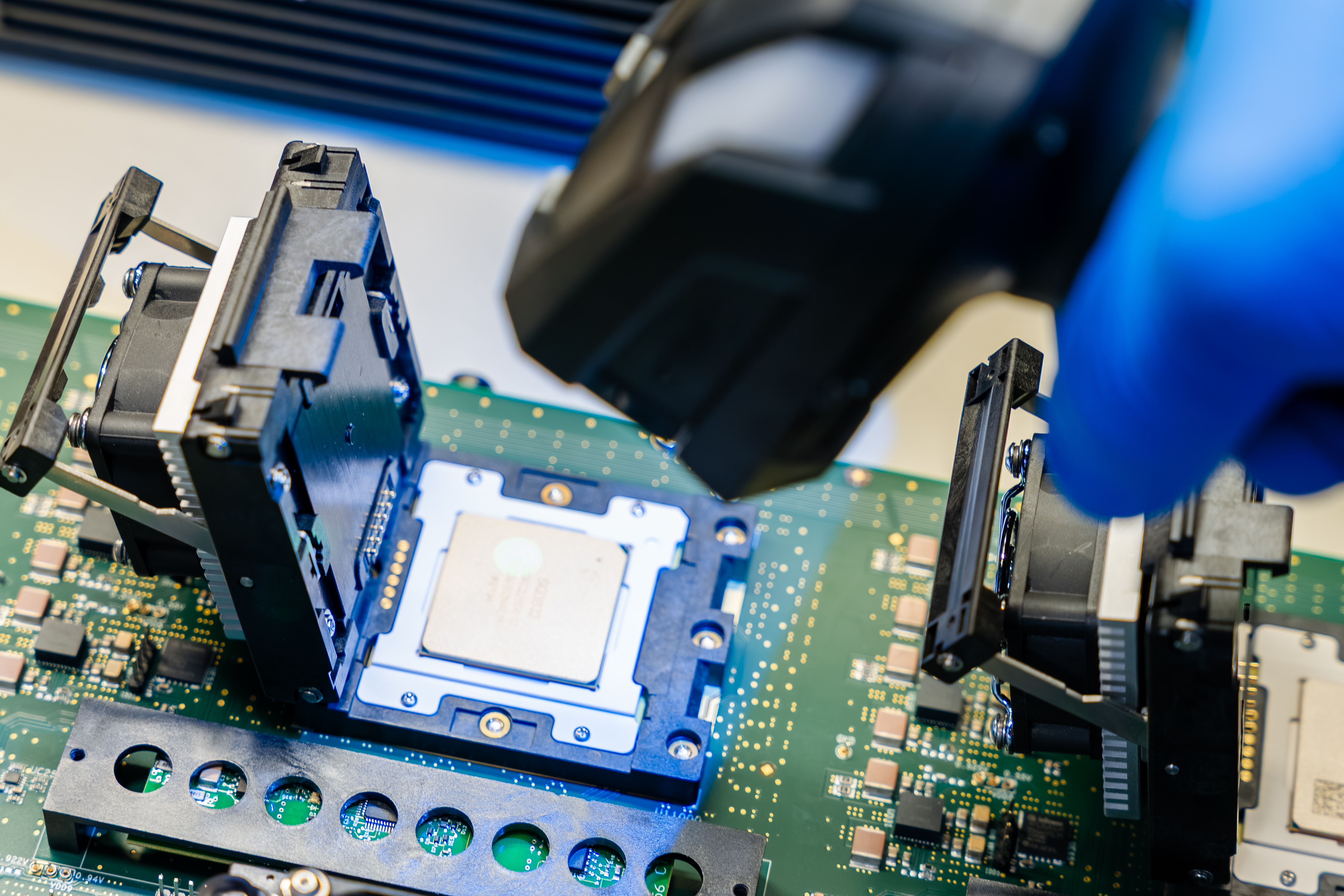


Engine Control Systems (FADEC)
Responsible for the real-time control and monitoring of aircraft engines.
Key characteristics
- Hard real-time operation with deterministic response
- High redundancy and fault tolerance
- Reliable operation in harsh conditions
- Extended temperature and vibration ranges
- Long service life aligned with aircraft programs
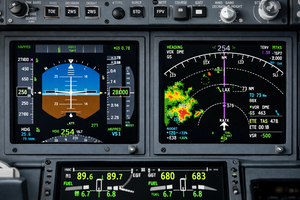
Avionics Display Systems
Provide pilots with critical flight, navigation, and system information through the flight deck interfaces.
Key characteristics
- Real-time graphics and data rendering
- High availability and reliability
- Safety-critical information presentation
- Integration of multiple data sources
- Strict certification constraints

Flight Computer
Responsible for flight control laws, aircraft monitoring, and mission-level functions.
Key characteristics
- Deterministic processing with ultra-low latency
- Redundant, partitioned system architectures
- High integrity with robust fault containment
- Full compliance with avionics safety standards
- Long operational lifetimes

Geostationary Earth Orbit
Key characteristics
- Continuous coverage over a fixed geographic area
- Long mission lifetimes (often 15–20 years or more)
- High exposure to radiation over time
- Limited opportunities for maintenance or replacement
- Strong requirements for long-term reliability and redundancy

Low Earth Orbit
Key characteristics
- Lower latency and higher bandwidth
- Large satellite constellations allowing inter-satellite communication
- Shorter mission lifetimes compared to GEO
- Higher production volumes
- Frequent launches and replacements
- High-speed data acquisition and transmission

Satellites Ground Station
Key characteristics
- Reliable 24/7 operation with minimal downtime
- Support for increasing bandwidth and fast data transfer
- Low latency requirements
- Ability to handle growing numbers of satellites and ground terminals
- Security and data integrity
Enhanced test solutions (EWS and FT)
-
On standard ATE systems
-
With customized High-speed/RF front-end modules
-
Optimized test program structure for coding complex test sequences
-
Comprehensive High-speed and RF test methodology
-
High throughput (test time and test coverage)
-
Long-term test platform availability
Test Hardware
-
Signal integrity for high-speed Digital and high-frequency Analog links testing, including external loopback test strategy
-
Power Integrity for high power consumption during test, including power supplies decoupling scheme simulations
-
Selection of reliable Probe head and socket technologies to meet high-speed, RF performances, and high-volume test production
Test Software
-
Support for defining device DFT
-
Test program coding for optimizing the conversion of high evolution patterns, including the compression scheme
-
High-speed links protocols compliance, using embedded firmware on
-
RF test sequences, including S parameters, Phase noise, and noise figure analysis
-
Design Validation (DV) ATE Characterization: Used during R&D to thoroughly test prototypes across their full operating range (extreme temperatures, voltages, loads) to fully characterize performance and refine the design.
-
Tri temperature testing capability
-
Test time optimization using loopbacks for high-speed & high frequency links
-
Multisite consideration from the start to meet the Cost of Test optimization for High-volume production
-
Detailed data logging, clear reporting, and full traceability for up to 20 years
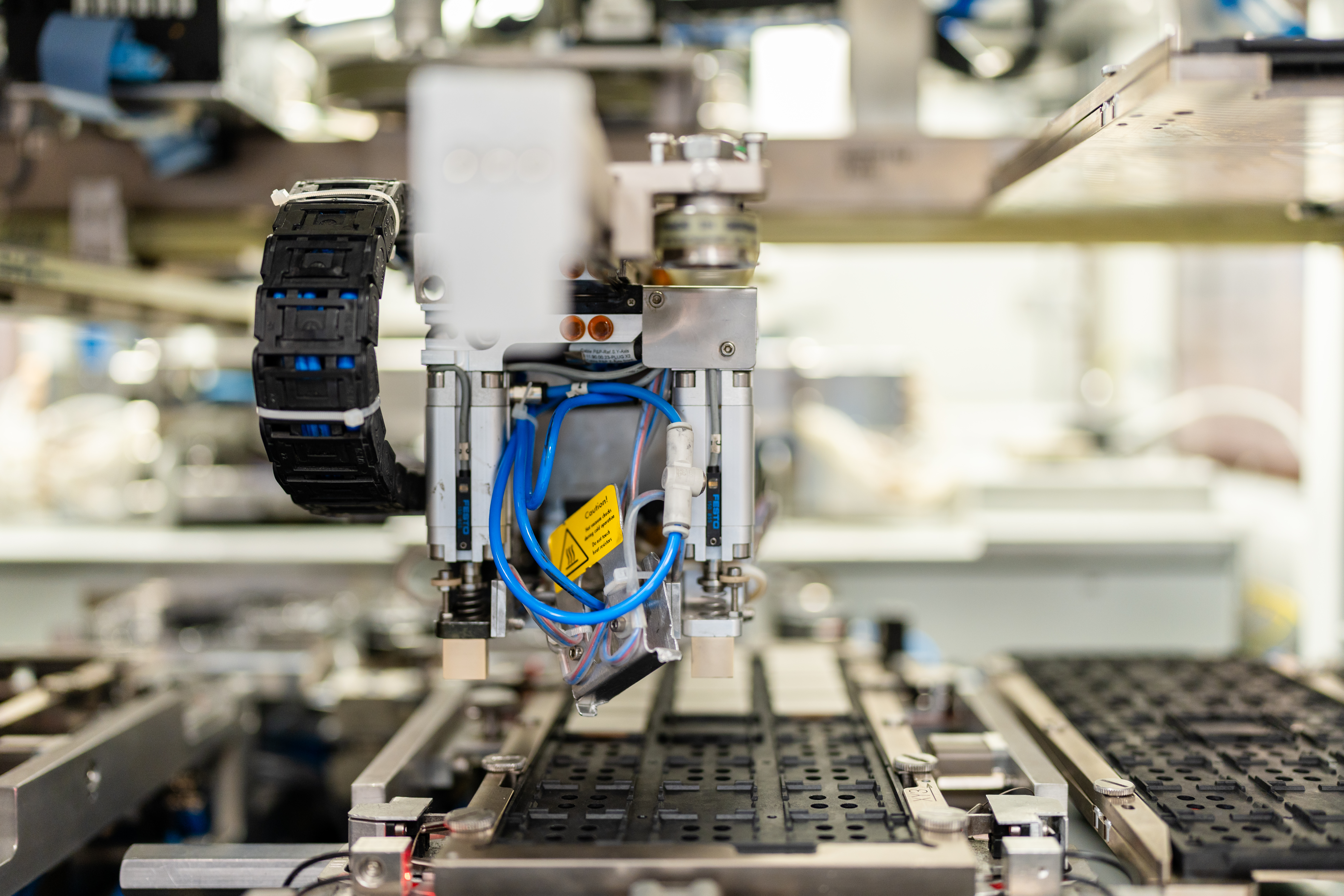
Presto Engineering delivers advanced packaging and simulation solutions for SATCOM Ku-/Ka-band applications, ensuring optimal high-frequency performance, thermal management, and space-grade reliability.
Key capabilities
-
System-in-Package (SiP) BGA: Integrates multiple ICs (LNA, RF amplifiers, beamforming IC, RF switch, mixers, transceivers) side-by-side or stacked on organic/ceramic substrate
-
Thermally Enhanced SiP: Features TIM and metal lid for superior heat dissipation in high-power devices
-
Hermetic Packages: Airtight ceramic/metal/glass enclosures protecting against moisture, gases, and contaminants
-
Wafer-Level Chip Scale Package (WLCSP): Bare die with RDL, passivation, UBM, and solder balls for compact, high-frequency Ku/Ka-band performance
-
Packaging examples: Flip-Chip LGA, Flip-Chip BGA with copper pillars and low-particle trays
Advanced Simulation
-
Electrical: Cadence Sigrity/C Clarity 3D for S-parameters, RL/IL/Xtalk, IR drop, SI/PI analysis
-
Thermal: Celsius Solver for compact 2R models and complex designs (flip-chip BGA with heat spreader/lid)
-
Design Tools: Allegro X for SiP/FCCSP/FOWLP/BGA/LGA layout optimization
Features & Compliance
-
REACH/RoHS/CMRT compliant
-
Low outgassing (TML/CVCM)
-
Radiation tolerant (TID/SEE/DDD)
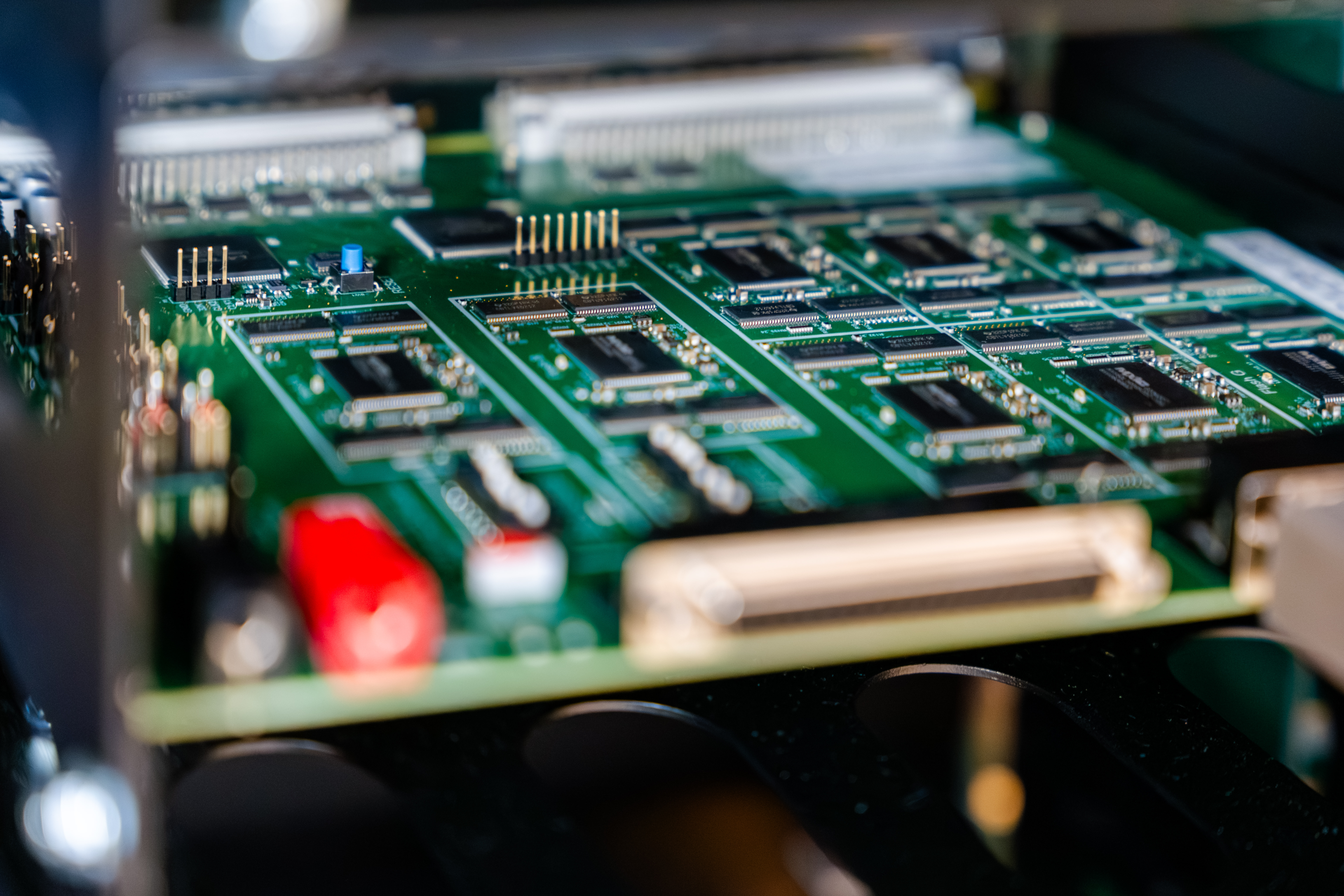
Presto Engineering offers comprehensive reliability solutions tailored for SATCOM applications, ensuring high-performance ASICs meet stringent space and satellite requirements. These capabilities support the full lifecycle from qualification to production screening.
Key Capabilities
-
Extended HTOL Programs
-
Individual Temperature Control in HTOL for Devices with High Dissipation or Variation (optimized socket-level thermal management for uniformity)
-
Humidity Accelerated Stress Testing (HAST)
-
Thermal Cycling & Shock Testing
-
Radiation Hardness Assurance
-
Hermeticity and Outgassing Package Validation
-
Traceability & Data Package Services
Program Includes
-
Silicon evaluation during qualification
-
Qualification Conformance Inspection for each new manufacturing lot
-
100% production screening including Thermal Cycling and Burn-In